For two years, website owners have watched Google answer more questions itself, right at the top of the results. On 15 October 2026, Google announced that it will make links in those AI answers more prominent. The obvious question: will that bring the clicks back?
The honest answer is “a little, for some pages”. Here’s what Google actually changed, what the best research says about clicks, how to check the effect on your own site, and which pages are most likely to benefit.
Why this matters: people click less
The clearest independent data comes from Pew Research Center, which studied the real browsing of 900 US adults in March 2025. When a Google search showed no AI summary, people clicked a regular result in 15% of visits. When an AI summary appeared, that dropped to 8%. And they clicked a link inside the summary itself in just 1% of visits.
Pew also found people were more likely to end their search session entirely after a page with an AI summary (26% of the time, against 16% without one). It’s one month of data and shows a pattern rather than proof of cause, but it’s the clearest picture we have of why traffic from Google has softened for many sites.
What Google changed on 15 October
Google’s announcement, reported in detail by 9to5Google, includes five changes. It’s worth noticing that some are launching and others are only being tested.
- Inline links higher up. Links inside the AI answer will appear “higher up in responses more frequently.”
- Bigger “dive deeper” links. The links at the end of some answers get image thumbnails and a more clickable design.
- More news carousels, plus Google’s Preferred Sources feature, in more countries and languages. Google says use of Preferred Sources has grown seven times since launch.
- An “official sites” section (test). For some searches, a section at the top highlighting the one or two official places to complete a task, with a note on why each link is useful.
- Clickable creator names (test) on video results, linking to Google’s own profile pages rather than straight to the creator’s site.
Will it bring traffic back?
Probably some, but don’t plan around a big recovery. More visible links can only help when 1% of people were clicking them before. But the AI answer is still there, and for many simple questions it’s still all people need.
There’s also a measurement problem. Search Engine Roundtable reports that Google again didn’t share click data with this announcement, saying only that it will “introduce additional metrics over time.” Its editor’s view was blunt: “The metric we want and find most helpful is clicks.”
More visible links can only help when hardly anyone was clicking them. Just don’t expect them to undo two years of change on their own.
How to see the effect on your own site
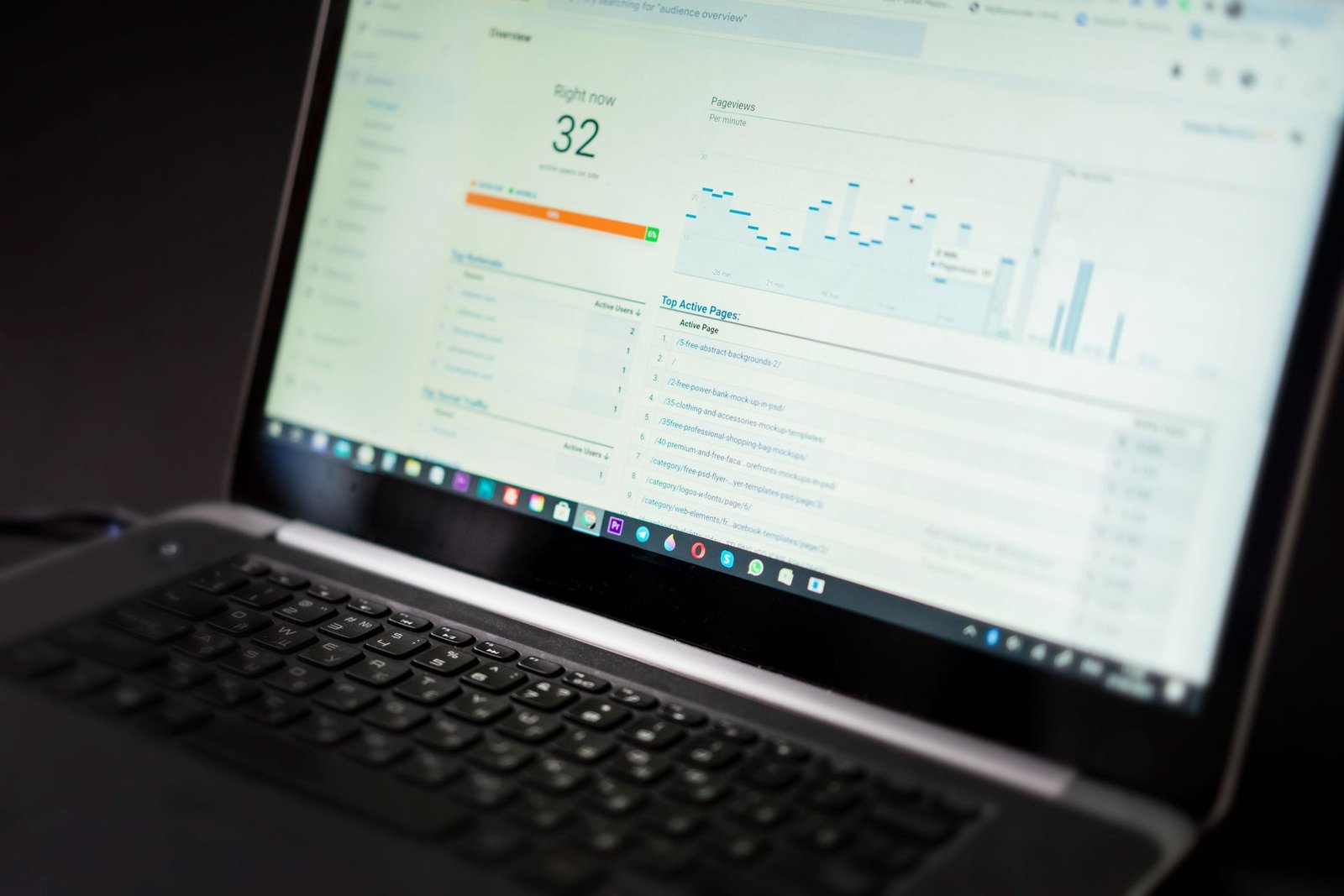
Google Search Console now has Search Generative AI performance reports, rolled out to all websites worldwide from 31 August 2026. They show how often your pages appeared in AI Overviews and AI Mode, broken down by page, country, device and date. The same data is also counted in the main performance report.
What they don’t show is clicks from those AI appearances. So the practical approach is to compare over time:
- Note your baseline. Record clicks, impressions and click-through rate for your key pages for the weeks before 15 October.
- Check the AI report to see which of those pages appear in AI answers, and how often.
- Compare four to six weeks later. If AI appearances hold steady and clicks to those pages rise, the new links are probably helping.
- Watch conversions, not just visits, in your analytics. A smaller number of better-informed visitors can be worth more than lots of quick bounces.
Keep in mind: November is a busy month for search, and Google is widely expected to make other changes before the end of the year. Avoid drawing firm conclusions from one or two weeks of data.
Which pages still win the click
From what we see on client sites, the pattern is fairly consistent. Pages that simply answer a question get summarised. Pages that let someone do something still get visited.
That suggests a sensible direction for most business websites: keep answering questions well, because AI answers still cite and link to good sources, but put more effort into the pages where people take action. Clear pricing, easy booking, useful tools and original evidence such as case studies are much harder to summarise away.
The “official sites” test points the same way. If Google does roll it out, it rewards being the clear, trustworthy place to complete a task, which is also exactly what wins customers.
What we see with local service businesses
Many of the sites we build for our agency partners belong to local service businesses: trades, clinics, consultants and similar firms. Their pattern fits the research. Their informational pages, such as “how often should I service my boiler?”, are exactly the kind of query an AI summary answers well. Their service pages, contact pages and “near me” searches are where people still click, because the next step is to call or book.
So when we plan content for these businesses now, we spend less time on generic how-to articles and more on the pages that lead to an enquiry: clear service pages for each area, real prices or price ranges where possible, reviews, and an easy way to get in touch. Those pages are also the most likely to be shown as the “official place” if Google keeps the test it announced in October.
A simple before-and-after table to track
For each key page, we keep a small record that anyone on the team can update monthly. Here’s the format, with example figures to show how to read it:
| Page | Clicks before 15 Oct | Clicks 6 weeks later | Shown in AI answers |
|---|---|---|---|
| Emergency plumbing (service page) | 420 | 455 | Yes |
| How to bleed a radiator (guide) | 310 | 290 | Yes |
| Contact and booking | 180 | 185 | No |
In this example, the service page gained a little while the guide kept slipping, which is exactly the pattern to look for. The figures are illustrative; your own Search Console data is what counts.
What this means for agencies
Clients will see the headline “Google is putting links back” and ask whether their traffic will recover. The useful answer is calm and specific: some pages may gain a little, here’s how we’ll measure it, and here’s where we’ll put the effort meanwhile.
We’ve written more about what agencies should tell clients about AI search and about selling AI search visibility as a monthly service. Both still apply.
The bottom line
Google’s October changes are a step in the right direction: more visible links in AI answers, and tests that could favour official, trustworthy sites. They won’t reverse the shift to AI answers on their own, and Google still isn’t sharing click data for them.
Measure it on your own site, focus on the pages where people take action, and keep answering questions well. If you’d like help, our team handles SEO and content for agencies. Book a call and we’ll look at your clients’ numbers together.